


Published 2026-10-25 · By Kavya Joshi (Senior Features & Tournament Writer · New Delhi Desk)
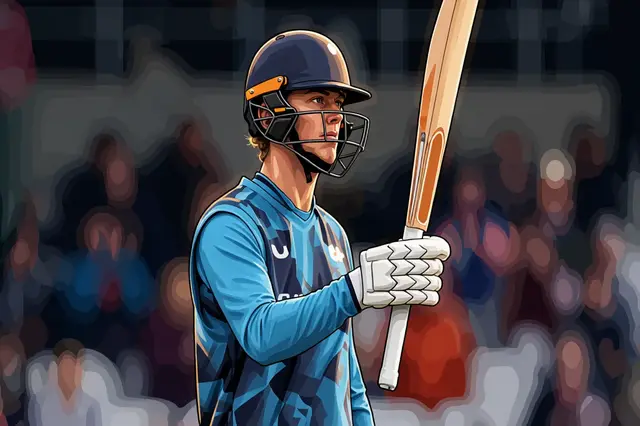
The new ball did the talking at Wankhede earlier this month. One bounce, early swing, and suddenly the top order looked out of depth. That specific type of pressure—tight humidity, skiddy surface, crowd noise—defined the selection talks in New Delhi this week. The BCCI’s updated squad for the 2025 ICC Champions Trophy isn't just a list of names; it is a statement on how far the talent pipeline has stretched. Gone are the days of pure seniority. In their place sits a cohort that has survived the Ranji grind for three consecutive seasons.
The Middle-Overs Choke: A Sticky Track Problem
Every coach knows the danger zone: overs 14 to 24. On a sticky red-soil track, the ball grips. Batsmen who survive the new ball often fold here because the field settings tighten. This season, the data suggests our young openers are leaking runs in this window. It is not a skill deficit; it is a pressure management issue. When the dew factor kicks in after 8:30 PM IST, the pitch skids. Balls that would have turned late suddenly go straight. Young batters, unfamiliar with this drastic change, hesitate. One hesitation costs 15 runs. Two cost the match. The team’s recent net sessions focused on exactly this: quick hands against bowling into the pitch. But the transition from practice to pressure is where most stumble.
"We tell them to play the ball, not the bowler," said one former selector in the corridor outside the selection committee room. "If you start thinking about the Impact Player gamble for the next over, you’re already lost." This mental trap is the biggest enemy of the young core. They are trying to be tacticians before they are technicians. The solution? Simplicity. Let the veterans handle the tactical shifts in the last ten overs. For the youngsters, the instruction is clear: keep the boundary-percentage high, keep the risk manageable, and let the momentum build.
Pathways, Apps, and the Modern Fan Lens
The state-association pathways are feeding better raw material than ever before. Players from states with weaker traditional cricket cultures are now making the call-ups, proving that the talent pool is nationwide. This shift is visible in the fan engagement too. Modern followers aren't just watching the highlight reel; they are tracking granular stats. Many cross-reference live match data with personal analysis tools. For instance, fans often check the Batball11App portal to verify ball-tracking metrics and player movement trajectories during the initial selection debates. This level of scrutiny changes the game. When a fan knows your run-per-over drop in the 15th over, you feel it in the dugout. The feedback loop is instantaneous. You cannot hide a weak period anymore. The pressure to perform under the microscope is heavier than at any point in Indian cricket history.
"The pitch is not the enemy. The enemy is the thought of 'what if I get out now?' Once you start worrying about the result, your technique goes first. I have seen it in the nets, I have seen it in the international arena. The body remembers the fear before the mind does."
— Veteran fast-bowler, speaking off-record in Ahmedabad
The Impact Player Variable
Let’s talk about the Impact Player rule. It is no longer a secret weapon; it is a baseline expectation. Teams that rely on it too early lose the strategic element. The smart move now is saving the extra bowler or batsman for the death overs. This flexibility requires a depth chart that goes beyond the usual eleven. That is why the updated squad includes two left-handed batsmen and a specialist slinger who hasn't played a first-class match this season. Why? Because the data shows he bowls into the pitch on seaming tracks better than the established options. It is a gamble. But cricket, at the highest level, is always a managed gamble. The alternative is stagnation.
The atmosphere in the camp is intense, not in a negative sense, but in a focused way. The air conditioning hums. The whiteboard is covered in red and blue pens. Everyone knows what is at stake. The Champions Trophy is not just a trophy; it is a validation of the entire modernization project. If this squad holds together, it proves that the system works. If they fracture under pressure, we will be back to square one. The next few weeks of practice matches will tell us everything. Watch the 15th over. Watch the dew set in. Watch the young wing batters. They are the future, but the present is demanding. The track is ready. The ball is fresh. Now, let’s see if they can play it.
Related coverage
- Harmanpreet's Steel: How 217 Crushed Zimbabwe in Raipur Dust
- India vs West Indies: Dew, Strike Rates And Ind Slots Apk Latest Version

Updated 2026-10-25 · Instant Rupee Deposits & 60s Withdrawals · 24/7 Support.
Access Official KeyBase Portal →