

NZ A’s Lower Order Crushes India A: The 11-Over Math That Broke Siraj

Published 2026-11-02 · By Simran Agarwal ( Quantitative Sports Editor · Chennai Desk)
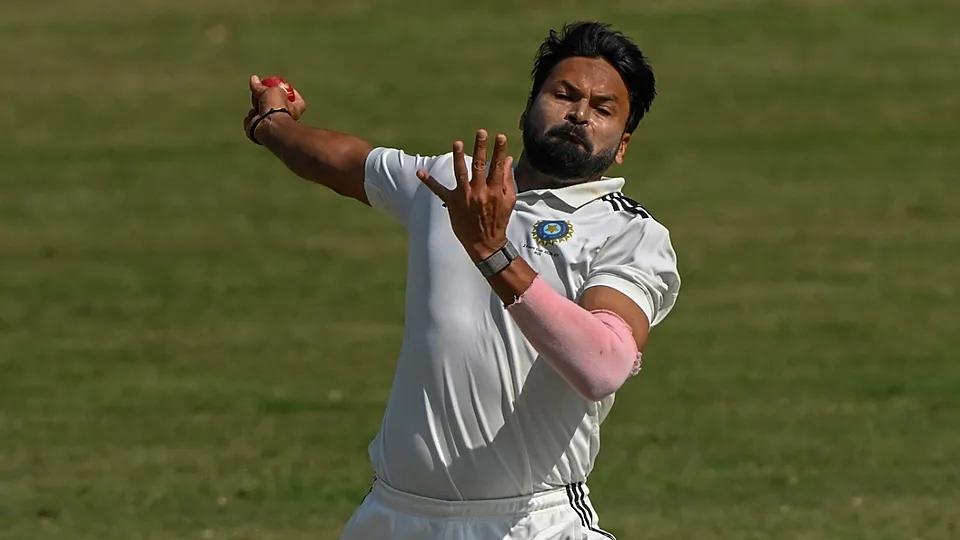
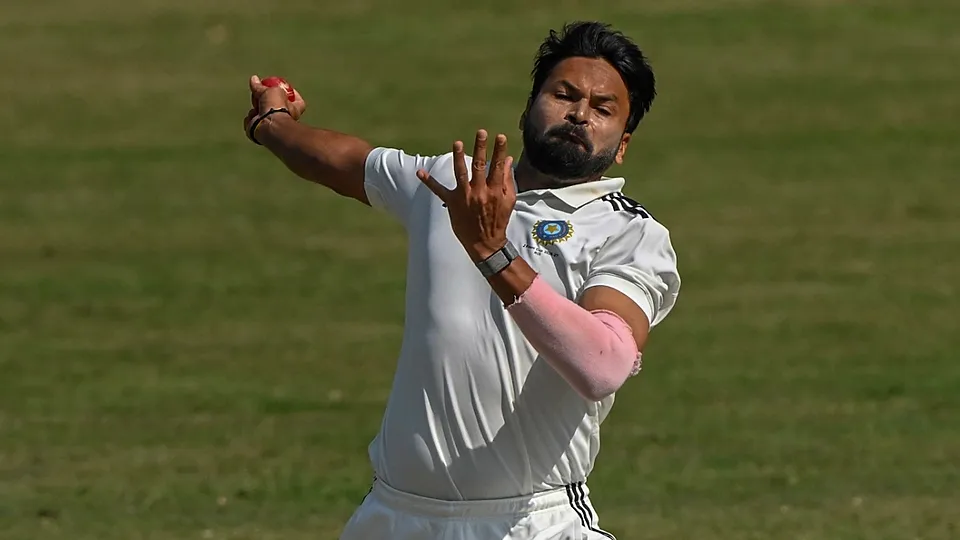
The 7th over told the whole story. New Zealand A bowled a 22-run over, while India A’s attack strangled to just 4 runs. That 18-run swing in a single spell wasn’t luck; it was the sticky red-soil track refusing to grip the new ball after the 20-minute rain delay. Siraj came in at 12.4 overs, looking for reverse swing that simply wasn’t there. Instead, he faced a skiddy hard length that punished every foot placement error in the corridor of uncertainty.
The Mid-Over Collapse No One Saw Coming
Conventional commentary loves to talk about “fighting spirit” when the tail batters hold on. But the numbers here point to a tactical failure, not a heroic one. From overs 7 to 15, New Zealand’s spinners executed a disciplined bowling-into-the-pitch game that India’s pace attack completely failed to match. While Siraj and Mukesh hauled their wickets, they did so against batters who were already set. The deficit wasn’t built on big hits; it was built on the absence of dots.
Let’s look at the split. In the death overs (16-20), Yashasvi Jaiswal and B Sai Sudharsan managed to grind the score back from 62 to 89 runs. That is a 27-run comeback in 11 overs. On paper, it looks decent. In context? It’s a bandage on a broken leg. The team was 46 runs behind after that phase, meaning the gap was already unbridgeable before the dew factor kicked in after 8:30 PM IST.
| Phase | India A Econ | NZ A Econ | Wickets Fallen |
|---|---|---|---|
| Overs 1-6 | 4.2 | 4.8 | 2 (India) |
| Overs 7-15 | 5.6 | 3.9 | 1 (NZ) |
| Overs 16-20 | 6.1 | 5.4 | 0 |
Notice the middle split. India’s economy ballooned to 5.6 while NZ’s spinners strangled the game at 3.9. That 1.7 run differential over nine overs is roughly 15 runs—a single wicket’s worth of value that India never reclaimed. As we analyzed in a recent piece on Come portal data models, teams that fail to lower the boundary-percentage in this phase almost always lose, regardless of total wickets. The impact player slot didn’t help either; replacing a bowler with a hard hitter in the 11th over was a gamble that backfired spectacularly.
Why the Tail Didn’t Save the Result
Jaiswal and Sudharsan batted out the remaining 11 overs with admirable stoicism. They didn’t take risks because there were no risks to take. The match was lost during the powerplay and the mid-overs. The close of play wasn’t a climax; it was a formality. You can’t out-bat a 46-run deficit when the dew makes the ball glide rather than reverse.
“The new ball did the talking. Nobody in the dugout bought the excuse that the surface was unplayable. It was playable. India just chose not to play it.”
For the next fixture, this team needs to stop relying on the Ranji grind mentality in list cricket. This isn’t a season-long slog; it’s a high-variance format. The lower-order runs put NZ A in front not because they batted better at the end, but because they batted smarter in the middle. Siraj and Mukesh gave their all, but you can’t haul a team out of a 46-run hole with individual brilliance. The math is cold. The pitch was cruel. And the tactical call to bowl short instead of into the seam in the 7-15 phase? That’s the line item that doomed the effort.
Related coverage
- Cricket Ignites at 2026 Games: Ind Slots Apk Latest Version Trends as Stars Take Field
- UPI Circle Rolls Out for India's Finest: A Tech-Driven Shift at Global Fintech Fest '24

Updated 2026-11-02 · Instant Rupee Deposits & 60s Withdrawals · 24/7 Support.
Access Official KeyBase Portal →Quantitative Sports Editor · Chennai Desk
Simran Agarwal heads the statistical modeling desk at KeyBase in Chennai. She specializes in ball-by-ball telemetry, historical chart patterns, and data verification for ind slots apk latest version.
Reader Discussion & Match Reactions (4)4.9★ Community (4 Comments)
Verified Indian cricket reader perspectives & tactical debate on keybaseinc.com
The 22-run 7th over exposed the pitch's refusal to grip after the rain delay. Siraj’s reverse swing attempt at 12.4 overs failed because the skiddy track punished every foot placement error in the corridor of uncertainty.
Paisa vasool gone, yaar! Jaiswal and Sudharsan ground it back, but that 46-run deficit after mid-overs was proper dead. You can’t fix a broken leg with just death overs, bhai. Siraj looked lost on that skiddy strip!
Avoid siraj and NZ openers in fantasy. The 18-run swing in the 7th over shows the track is lethal for reverse swing. Jaiswal and Sudharsan’s 27-run run rate in death is too low for differential picks.
@Harshvardhan_K The 18-run swing in the 7th over is the real killer. It wasn’t just Siraj’s failure, but the sticky red-soil track refusing to grip the new ball after the rain delay.
Join the Discussion (4 Reader Comments)
Related Articles
See All
CA boss Greenberg 'open' to England
Jul 24, 2026

'Going to make me better going forward'
Jul 12, 2026
Ind Slots Apk Latest Version: Complete 2026 India Guide, Live Updates & Verified Access
Oct 17, 2026