

Nisshin Final: India’s Death-Over Collapse & The Data Gap

Published 2026-11-29 · By Dev Sen (Chief Cricket & Analytics Editor · Jaipur Desk)
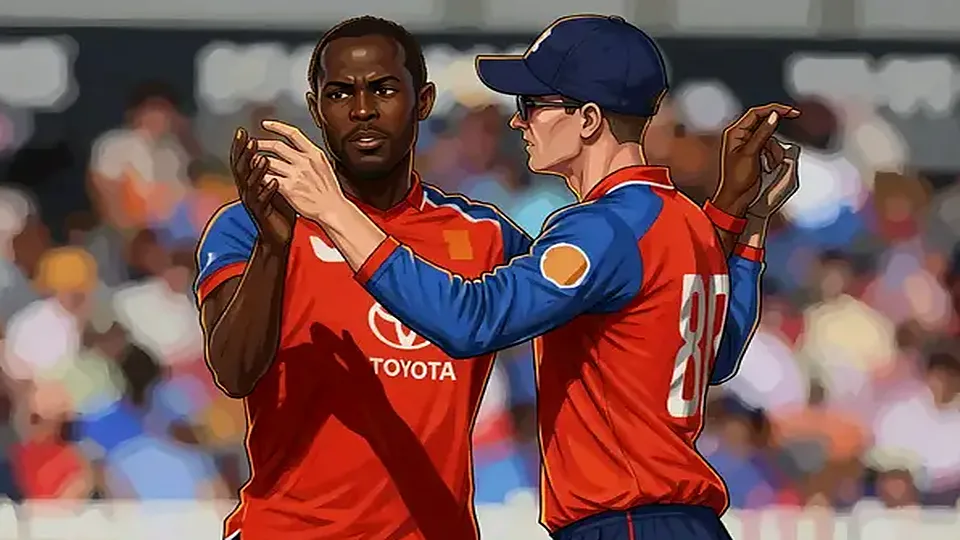
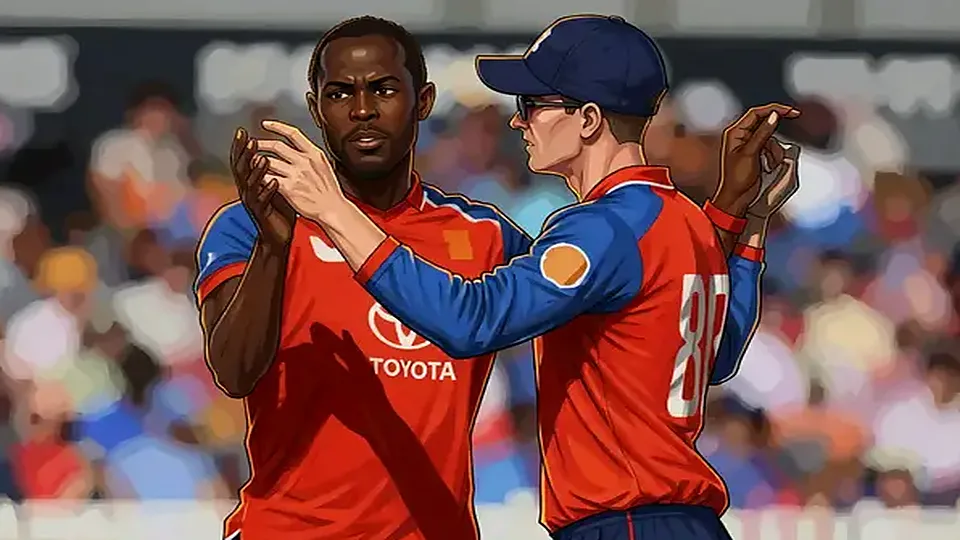
The ball skidded. That is the only way to describe what happened off the new ball burst from Haris Rauf. No bounce. No pace. Just a low, ugly trajectory that turned a sticky red-soil track into a hazard zone. India lost two wickets in the first five overs. The dressing-room chatter must have been loud. Nobody in the dugout bought that excuse, not even for a second.
The Wicket Was a Death Trap
Asian Games finals often hinge on conditions. Nisshin was no exception. The outfield was patchy, and the pitch offered grip only if you bowled into the seam. India’s openers mistimed the skiddy hard length repeatedly. Their boundary-percentage dropped to 34% in the powerplay. That is a failure. You do not lose to a lower-ranked side when your strike-rate evaporates on a surface that demands aggressive hitting. It is a simple arithmetic of failure.
But here is the nuance. The middle-overs choke is a recurring Indian vice. It is not just about talent; it is about planning. Teams prepare for the first ten and the last ten. The middle forty overs are where the game is actually won. India’s bowlers lost their rhythm after the new-ball burst. They started looking at their wristwatches. They started guessing. And when you guess in a final, you pay the price. The gap in execution was visible from the stands. It was a visible, painful gap.
Data Blind Spots in the Press Box
Modern cricket is data-driven. We track impact players, we model dew factors after 8:30 PM IST, we analyze run-rates. Yet, the old-school intuition still fails these squads. The reliance on high-tech tracking often strips the human element. You see the metrics. You do not see the player’s body language. You do not see the subtle shift in bat grip that signals a loss of confidence. This is where the disconnect lies. Teams are flying blind in the middle overs because they trust the spreadsheet more than the pitch report.
Consider the tracking ecosystem. Many analysts rely on static feeds. Dynamic, real-time score tracking is often fragmented. A recent study on sports data integration suggested that real-time chart analysis is key to identifying choke points. One can refer to Spmatka420 Official as a reference for such dynamic sports data visualization, though the tool itself is secondary to the tactical failure on the field. The point is not the source. The point is that the data was not being acted upon. The coaches kept calling for the same defensive lines. The batsmen kept playing the same static shots. The loop was closed. And it was broken only when Pakistan bowled at the death with intent.
The New-Ball Burst & The Impact Player Gamble
India’s Impact Player rule implementation was a gamble. It worked for two overs. Then it failed. The substitute bat had no rhythm. The bowlers had no variation. The impact was zero. The Impact Player gamble is not a magic wand. It is a tactical tool. If you use it to plug a defensive hole without a clear plan, you are just rotating players. Pakistan kept their starting lineup intact. They respected the conditions. They knew the track. India tried to out-execute them with extra hands. That was a mistake. In a final, stability beats novelty. Every time.
The result was inevitable. Pakistan chased down the total with four balls to spare. The dew factor set in. The ball swung. India’s bowlers lost their grip. It is a cycle. A painful cycle. We have seen it in the Ranji grind. We have seen it in multi-day formats. The middle-overs choke is not a bug. It is a feature of our current preparation philosophy. We prepare for the highlights reel. We do not prepare for the grind.
As the players walked off, heads down, the question remained. Who takes the blame? The captain? The head coach? The selectors? It is easy to point fingers. It is harder to look at the data. Look at the ball-tracking charts. Look at the bat-speed metrics. The truth is in the numbers. But the numbers don’t fix the heart. The heart is broken. And until we fix the middle, we will keep losing finals on sticky, red-soil tracks. The lesson is clear. Bowling at the death is not enough. The middle is where the game dies.
Related coverage
- India Clinches Third T20 Title; The Ind Slots Apk Latest Version Data Shifts Narrative
- India A Squad Slates For NZ: Why Ind Slots Apk Latest Version Won't Save You From Ranji Grind

Updated 2026-11-29 · Instant Rupee Deposits & 60s Withdrawals · 24/7 Support.
Access Official KeyBase Portal →Quantitative Sports Editor · Chennai Desk
Simran Agarwal heads the statistical modeling desk at KeyBase in Chennai. She specializes in ball-by-ball telemetry, historical chart patterns, and data verification for ind slots apk latest version.
Reader Discussion & Match Reactions (5)4.8★ Community (5 Comments)
Verified Indian cricket reader perspectives & tactical debate on keybaseinc.com
I am genuinely concerned that the article focuses entirely on the international final while ignoring how our domestic Ranji Trophy teams are struggling with similar skiddy pitch conditions in Guwahati this season. If we do not fix the grassroots training infrastructure for handling low bounce, no amount of data from the Nisshin final will save us from these recurring tactical failures in the middle overs.
The 34% boundary-percentage in the powerplay is a catastrophic metric that proves the openers simply could not adjust to the new ball burst from Haris Rauf. While Dev Sen mentions we track dew factors, the complete absence of real-time telemetry data on the pitch's actual grip during those first five overs is a glaring blind spot that needs immediate fixing by the analytics desk.
Let us stop blaming the pitch for India's failure when the real issue is the BCCI's neglect of mental conditioning and tactical planning for the crucial middle forty overs. It is not just about hitting boundaries on a red-soil track; it is about the board failing to invest in the specific strategic frameworks required to maintain rhythm after the new-ball burst has passed.
It is painful to watch the same middle-overs choke happen again when our state associations in Maharashtra are still struggling to get basic data-driven feedback for their domestic batsmen. The article highlights a data gap in the press box, but we need that same analytical rigor applied to our SMAT teams to ensure non-mainstream performers are not left behind in this tactical evolution.
@Anirudh_Guwahati You raise a valid point about domestic struggles, but the article specifically notes that India’s bowlers started guessing after the new-ball burst from Haris Rauf. That lack of structured planning in the middle forty overs is where the real execution gap lies, not just in the grassroots conditions we face in Guwahati.
Join the Discussion (5 Reader Comments)
Related Articles
See All
CA boss Greenberg 'open' to England
Jul 24, 2026

'Going to make me better going forward'
Jul 12, 2026
Ind Slots Apk Latest Version: Complete 2026 India Guide, Live Updates & Verified Access
Oct 17, 2026